Remote monitoring
We watch the systems we install. Most problems get noticed and fixed before anyone on site picks up the phone.
Six services that share one platform and one support number — structured cabling, networks, automation, surveillance, access control and network security. Planned with your builder, installed clean, documented properly and supported 24/7 across South Florida.
Most of what makes a building’s technology work well is decided before anyone turns on a switch — and it lives inside the walls, where changing it later is expensive and ugly. Lynx works from the planning phase, alongside your general contractor, architect and electrician, so drop counts, device locations, conduit and back boxes are settled on drawings. Then we pull the cable during rough-in, terminate and certify it at trim, and hand over documentation you can actually use.
Building or renovating? Bring us in early. A drop that costs almost nothing during rough-in costs real money and a patched wall six months later.
Typical projects: new construction, gut renovations, tenant and office build-outs, additions, and cabling retrofits in occupied buildings.
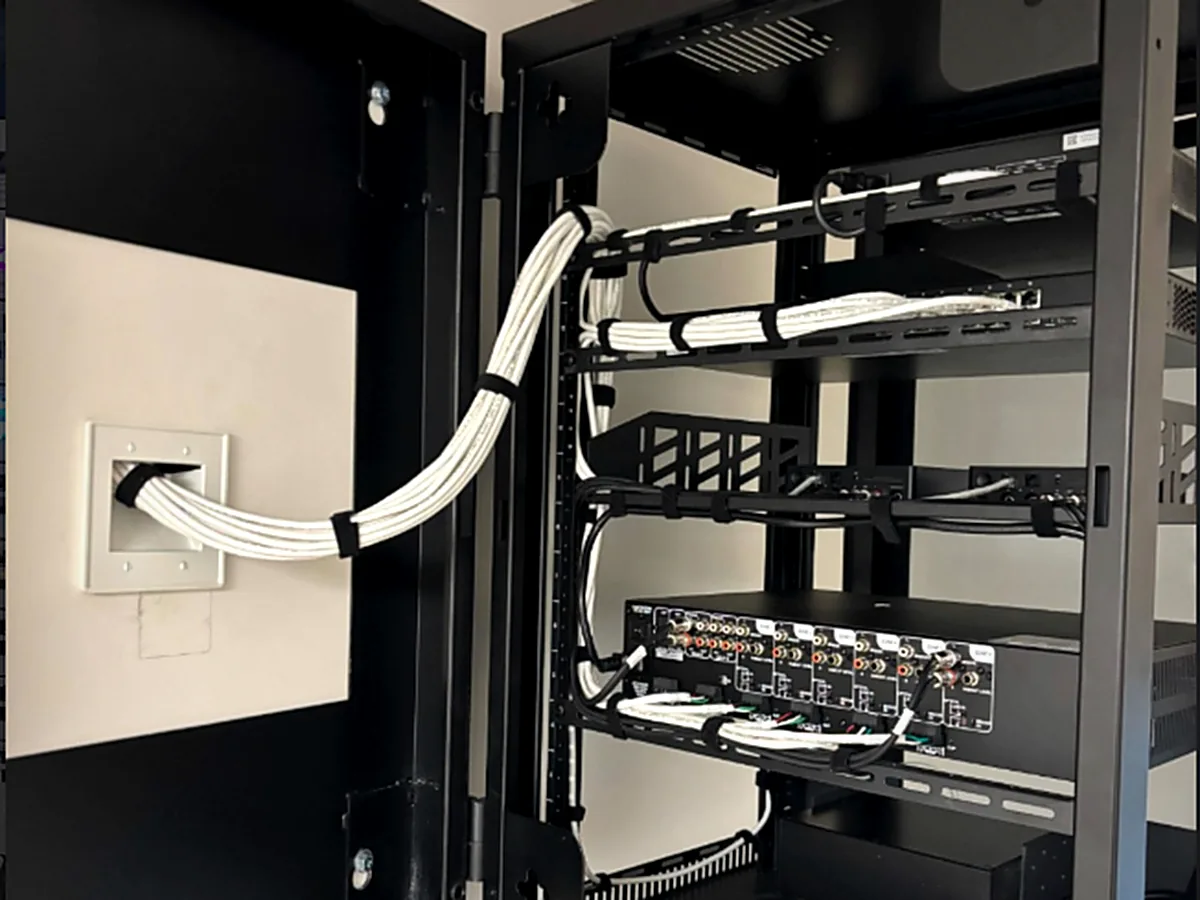
High-performance network infrastructure built for speed and reliability. We start at the demarc and work outward — router, switching, cabling, access points — so the whole path is sized for what you actually run on it. Wi-Fi is designed from a coverage plan, not guessed at by plugging in a router and hoping it reaches the far bedroom or the far end of the warehouse. Where the cabling is already in, we test it and work with what holds up.
Typical projects: whole-home Wi-Fi, office and warehouse networks, multi-building campuses, network overhauls replacing consumer gear.
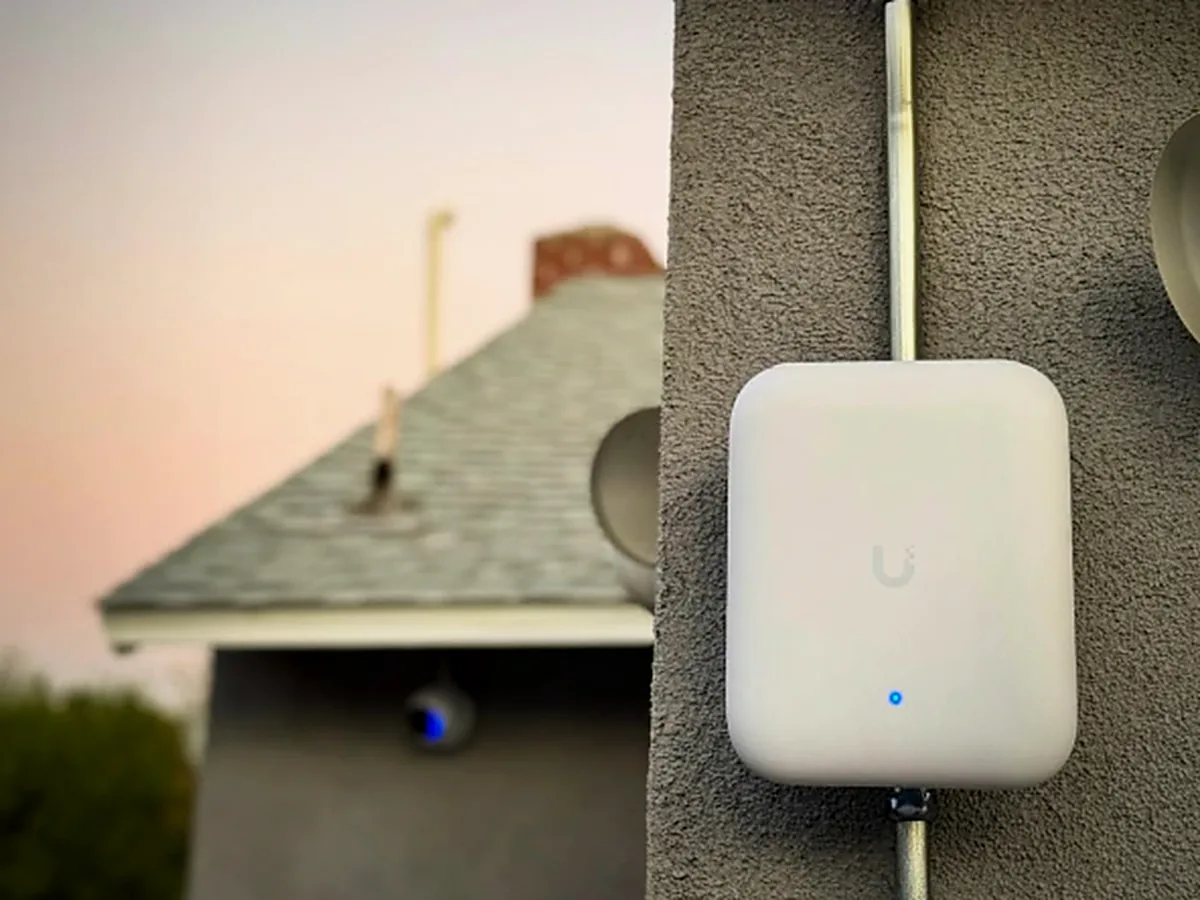
Automation ties the building’s systems into one place and lets schedules, occupancy and scenes do the work. For homes that means lighting, shades, climate and whole-property audio-video in a single app. For businesses it means the lights, HVAC and doors following a calendar instead of a person remembering. Built on the same network and managed alongside everything else we install.
Automation is our newest offering and the scope above is deliberately broad. Tell us what you want the building to do and we will tell you plainly whether it is worth doing.
Typical projects: smart home builds and retrofits, media and AV distribution, office lighting and climate schedules, multi-site building control.
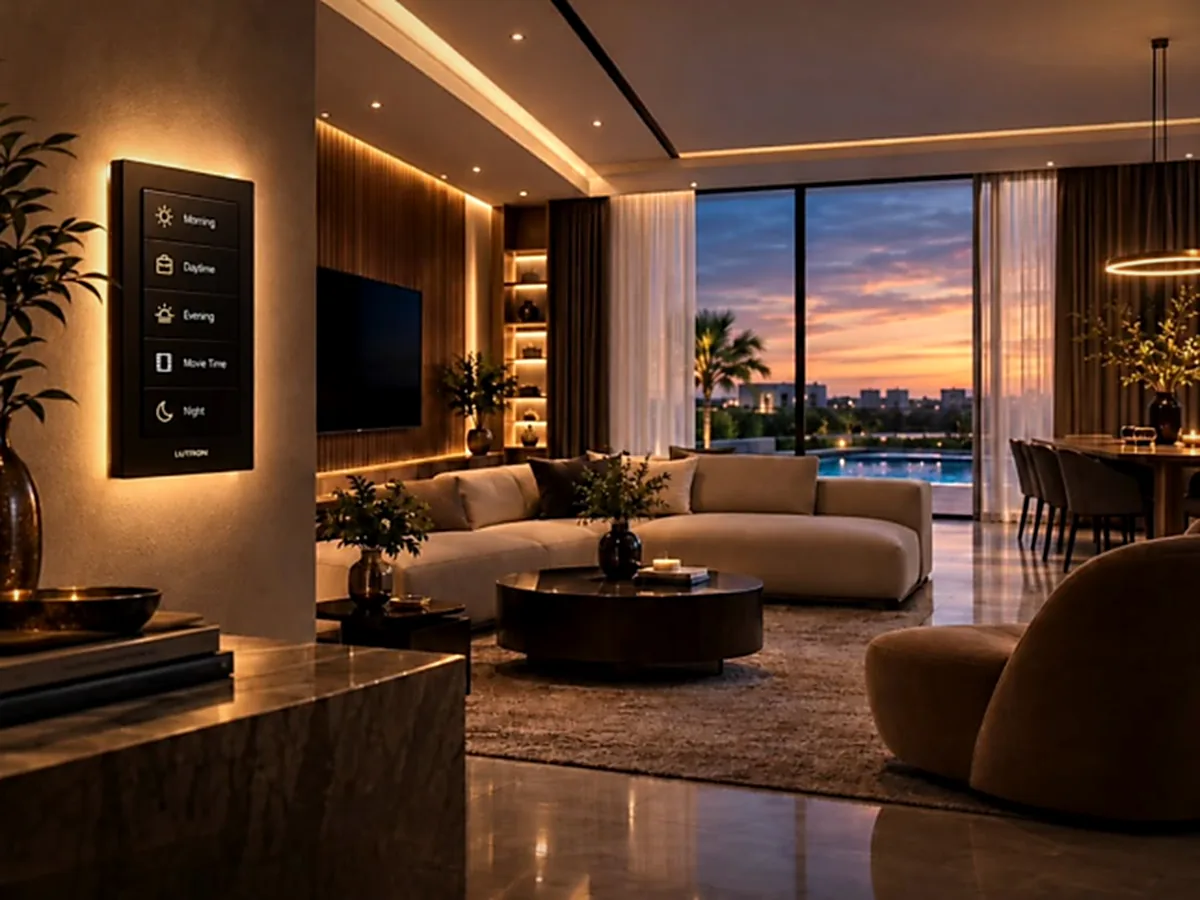
High-definition video monitoring systems with intelligent analytics. Coverage is planned around the angles that matter — entries, drives, registers, loading areas, perimeters — and recorded locally so footage is yours. UniFi Protect carries no per-camera license fee, which is usually the difference between covering the whole property and covering half of it.
Typical projects: home and estate coverage, retail and restaurant, warehouses and yards, multi-site businesses under one view.
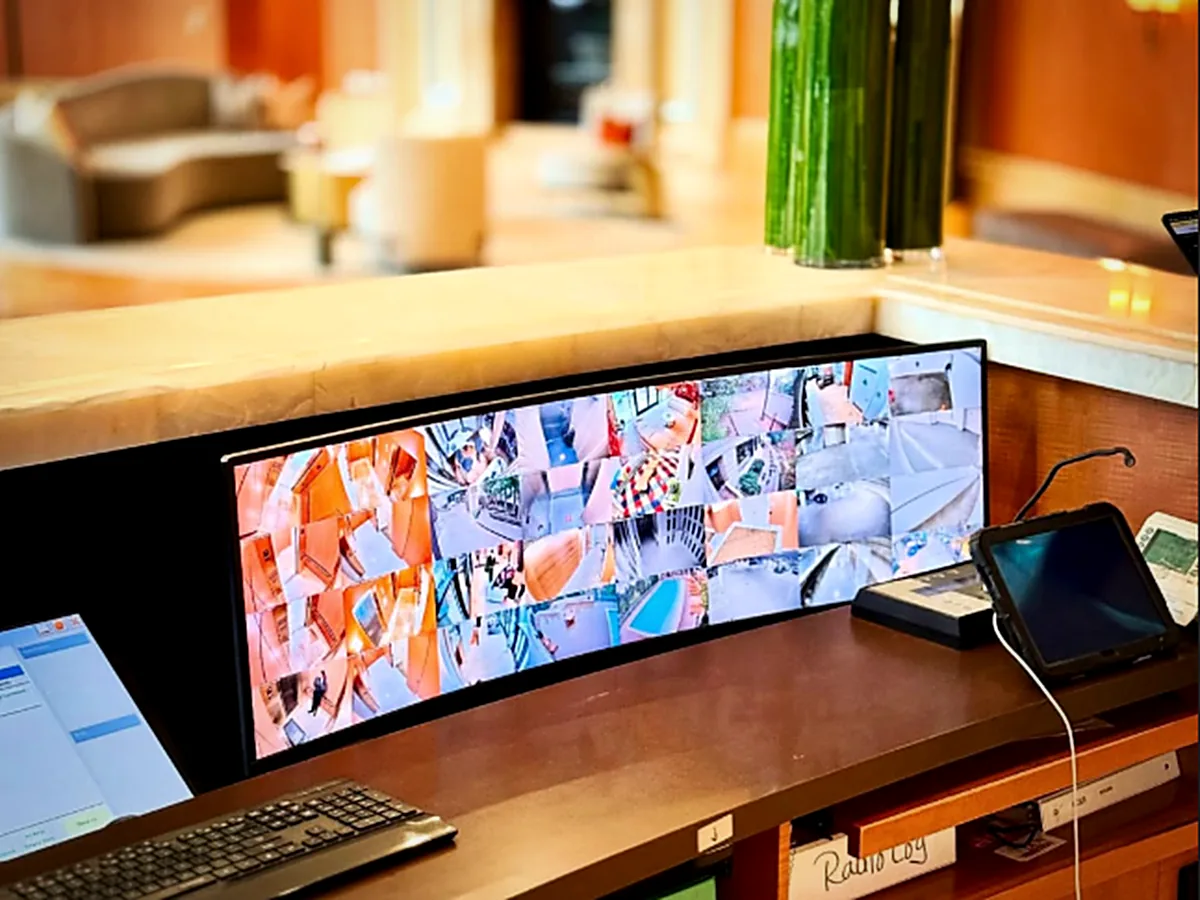
Secure entry management with biometric and card-based authentication. Credentials are issued and revoked in seconds instead of rekeying locks, and every door event is logged. Schedules handle the rest — the side door unlocks at seven, locks at six, and the cleaning crew’s access expires on the date you set.
Typical projects: office suites, gated properties, multi-tenant buildings, warehouses, server rooms and restricted areas.
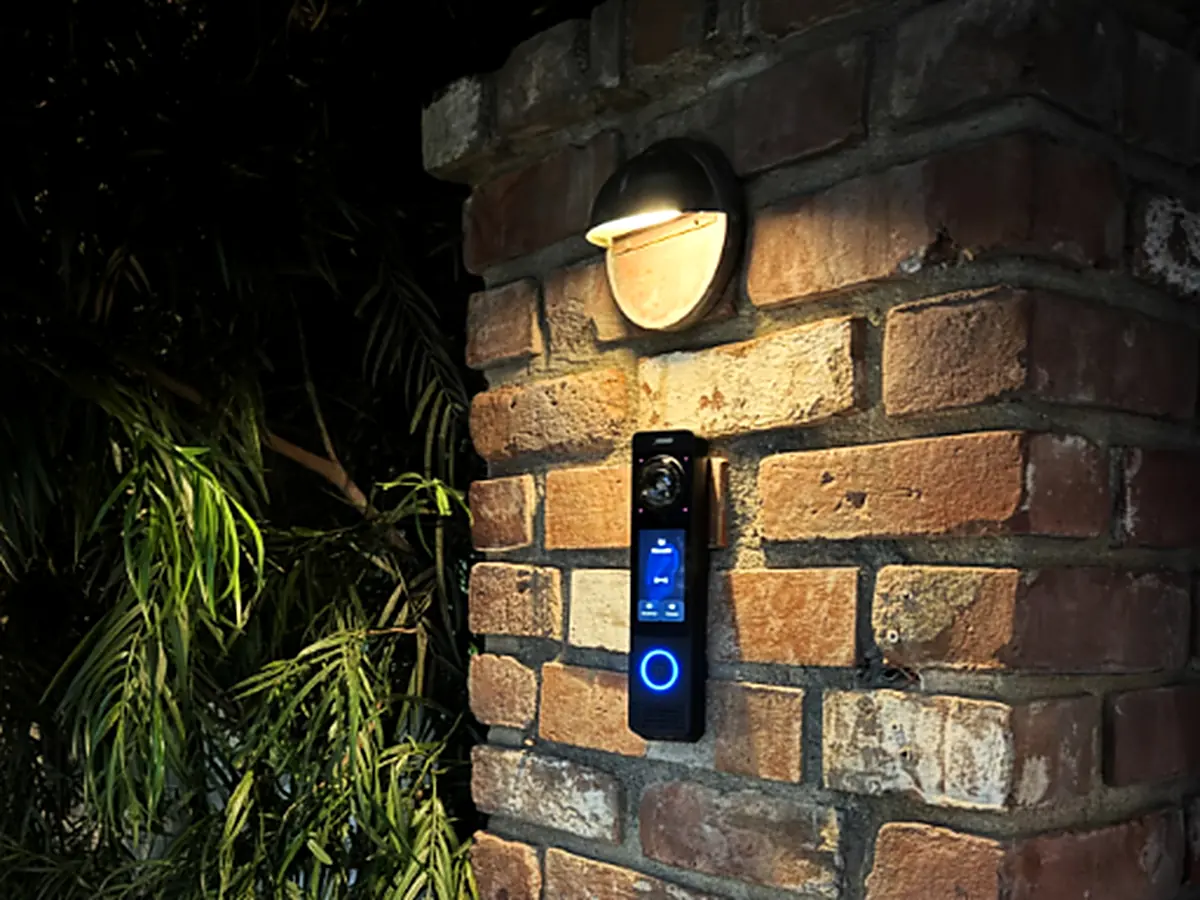
Safeguarding digital assets and sensitive data starts with the boring work: segmentation, firewall policy, patching, and knowing what is on the network in the first place. Most breaches at small and mid-size operations are not sophisticated. They walk in through a flat network, a default password or a device nobody updated in three years.
Typical projects: business network hardening, compliance-driven segmentation, remote-access setup, post-incident rebuilds.
After the Install
The install is the easy part. What matters is what happens the following February at 9pm when something stops working.
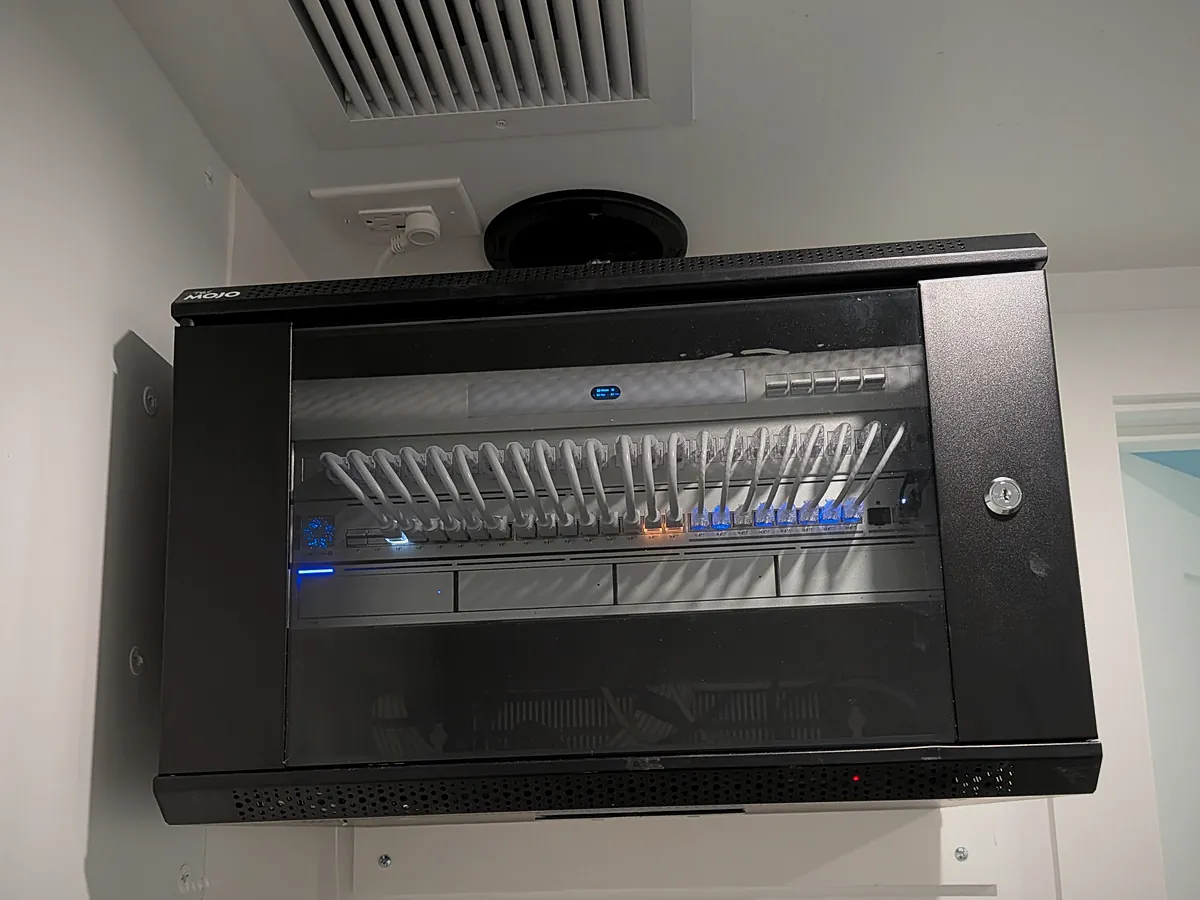
We watch the systems we install. Most problems get noticed and fixed before anyone on site picks up the phone.
Devices stay current and patched on a schedule, so security holes do not sit open for a year.
A real number that gets answered, and a technician who already knows how your system is built.
Questions
Yes, and the earlier the better. We prefer to be in during the planning phase, reviewing drawings with the GC, architect and electrician so drop counts, device locations, conduit and back boxes are decided before framing. We then pull Cat6 and low voltage at rough-in, terminate and certify at trim, and hand over as-builts and labeled port maps at turnover. Coming in after drywall is still possible — it is just slower, more invasive and more expensive than it needed to be.
Yes. Roughly the same systems solve both, at different scale. A twelve-camera home and a twelve-camera office use the same platform, the same app and the same support — the design work is what changes.
Because it puts the network, cameras, doors and Wi-Fi under one interface, records surveillance on site with no per-camera license fees, and lets us monitor and fix most issues remotely. It also scales cleanly, so adding a building or twelve more cameras in two years is an expansion rather than a replacement. Where a project genuinely calls for something else, we will say so.
It depends entirely on the property, the coverage you need and what is already in place. That is why the evaluation is free and comes back as a written scope with equipment and cost, so you can see exactly what you are paying for before committing to anything.
Often, yes. Part of the evaluation is telling you plainly what is worth keeping, what is near end of life, and what is actively causing the problem you called about. We are not interested in replacing gear that works.
All of South Florida — Broward, Miami-Dade and Palm Beach counties, from Jupiter down through Miami. Single site or several.
Yes. Plenty of our work is structured cabling and low-voltage rough-in for builders and property managers who already have someone else handling the equipment. We will certify the runs and hand over clean documentation either way.
We stay on it. Remote monitoring and firmware updates keep the system current, and you have a number that gets answered 24/7 when something needs a person. Documentation is handed over to you, so you are never dependent on us to understand your own system.
Free, No Obligation
We will walk the property, test what you have, and tell you plainly what is worth keeping and what is not.